
Remember the early 1990s, when the internet became accessible to the public?
It wasn’t fast, it wasn’t pretty, and it certainly wasn’t for everyone. But if you were lucky enough to get online, it felt like discovering a secret library: Quiet, full of potential, and used with purpose.
Fast forward 30 years:
The internet has shifted from informative and practical to a “look at my lunch” circus, where filters replace reality and likes are the new currency.
The word “influencer” somehow became a career.
Teenagers earn millions lip-syncing into their phones, while millions of businesses disappear in digital noise, because they didn’t build solid digital infrastructure when it mattered.
Welcome to the age of algorithms and attention spans.
Welcome to the house of Meta, ByteDance, X, Snap, and YouTube.
(Spoiler: The house always wins.)
1990s - Early 2000s
The Early Internet
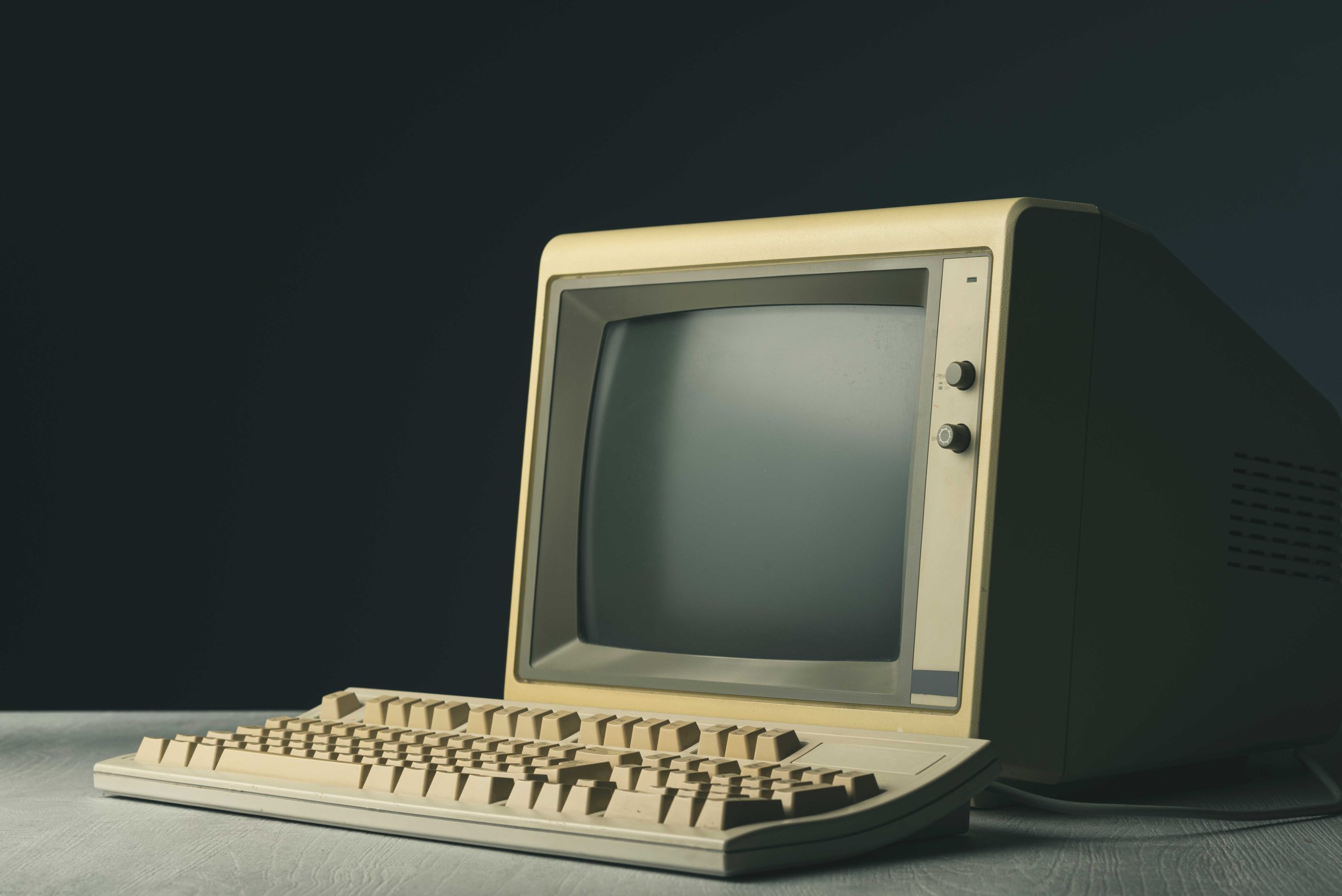
The World Wide Web officially opened to the public in 1991, and over the following decade, it slowly found its way into homes, schools, and offices; mainly in wealthier parts of the world. Connections were dial-up, painfully slow, and came with the soundtrack of beeps and static. By the year 2000, just around half of the U.S. population was online. Elsewhere, it was much less.
Back then, the internet was mostly read-only. About 3% of users created content, while 97% simply consumed. The people building websites were academics, journalists, developers, and institutions. Those who had something to share and the technical know-how to share it. It wasn’t something you did casually; setting up a website took time, effort, and often money.
But what was online was useful. You found manuals, research papers, tutorials, curated directories. It wasn’t flashy, but it served a purpose. The design was simple, the access limited—but the content had substance.
The purpose to visit the web was to learn something.
Early - Mid 2000s
The Rise of the Personal Web & Online Presence
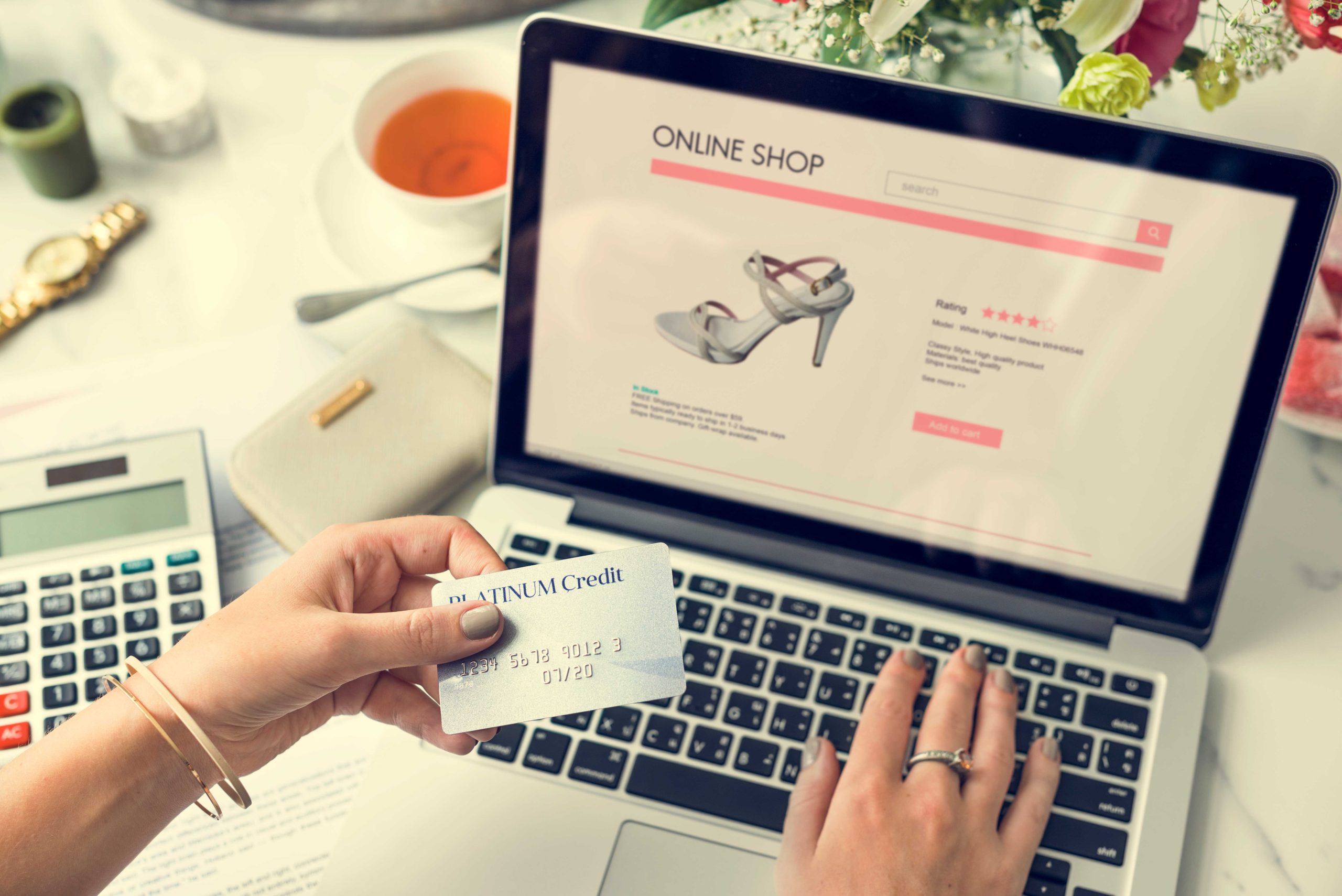
As the 2000s rolled in, the internet matured; and so did its users. This was the era when more people started publishing, but here’s the important detail: The content was still useful.
At first, it was businesses that led the way. Small companies, local shops, and service providers began building websites. For the first time, you could go online and find a florist, a plumber, or a travel agency in your area. That shift made the internet practical, not just informational.
The creator-to-consumer ratio improved, more people were putting content online. But there was still a high threshold to entry. Websites took time, effort, and money to create. It wasn’t something you did on in an hour. And it was expensive.
Those who did publish had a purpose: to promote a business, share expertise, or provide a service. Even personal blogs, which started to emerge during this time, were often well-written, thoughtful, and structured more like journalism than personal diaries.
There were opinions, yes, but they were presented in paragraphs, not punchlines.
People wrote to inform or reflect, not to provoke or perform.
Because publishing required real effort, content had weight. You thought twice before hitting “publish.”
This was a time when purpose outweighed performance, and when people created to be found, not followed.
2008 ~ 2020s
The Social Media Boom
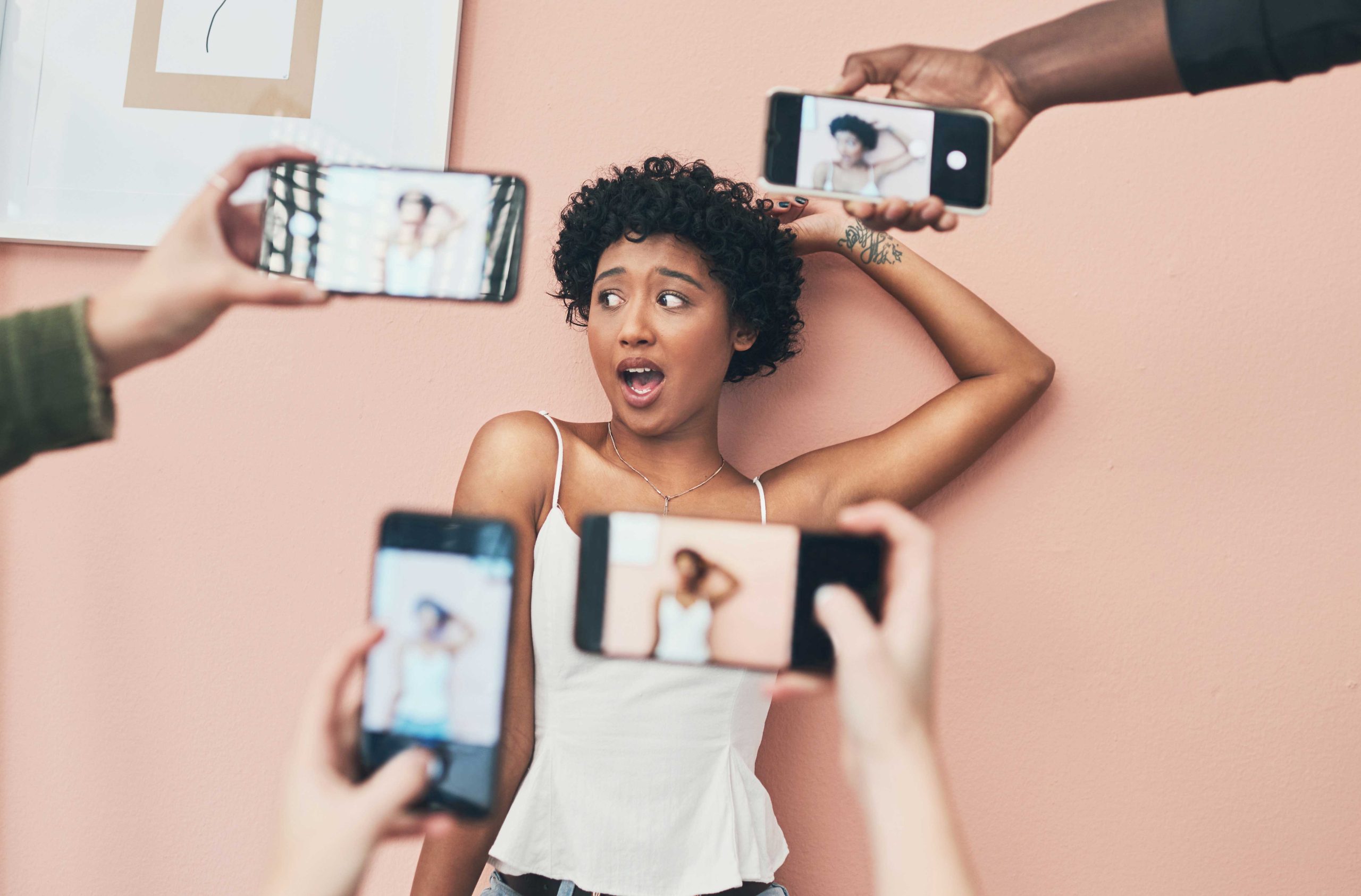
By the late 2000s, the internet had a new look; and everyone had a profile.
MySpace, Facebook, Twitter made it possible for anyone to publish content with zero technical skills. No coding, no cost. Just sign up and start posting.
But with that ease came something most people didn’t notice: you were also giving something away.
Yes, Facebook’s Terms of Service grant the platform a “non-exclusive, transferable, sub-licensable, royalty-free, worldwide license” to use your content “in connection with the Service.”
That means you still own your posts, but Meta & Co can use them however they see fit.
No one seemed to mind. On the contrary, people embraced it.
“Build your personal brand” became a rallying cry. Your profile wasn’t just personal. It became promotional.
And then came the algorithm.
Visibility stopped being about quality. It was all about what engaged – or outraged.
The algorithm doesn’t care about nuance or truth. It cares about clicks, reactions, shares.
Suddenly, everyone was performing.
Online spaces turned into endless auditions for attention. Where you played a role, whether or not it had anything to do with who you actually were.
Likes became currency. Filters became identity. And everyone went searching for love from strangers.
2020 - Today
The TikTok Era – Everyone’s a Star, Nobody’s Listening
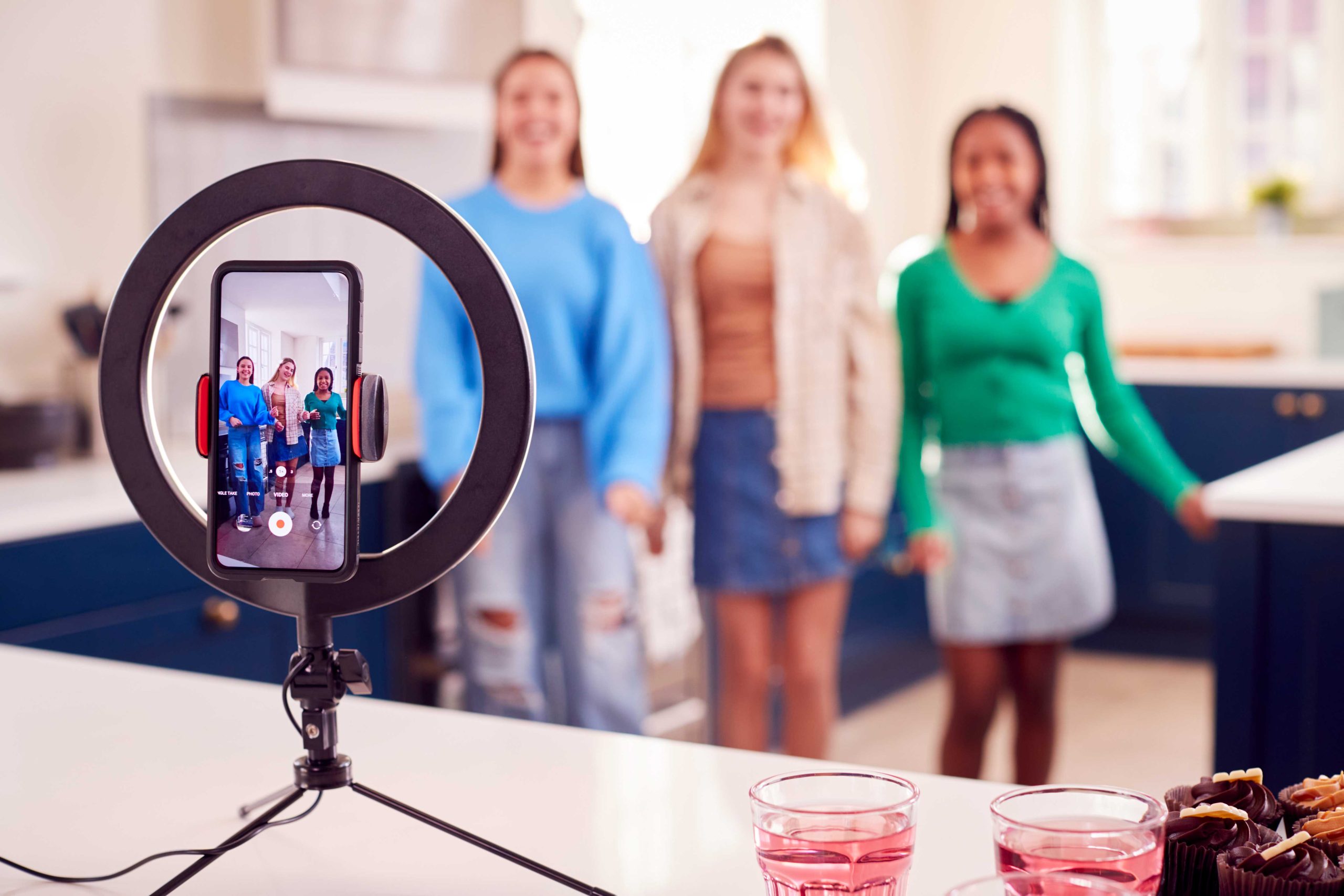
Everyone has a voice now and oh boy, everyone is using it.
We’ve entered the age of short-form video, viral audio, and people filming themselves while chewing their food.
Welcome to the internet’s loudest chapter.
It began quietly.
TikTok launched globally in 2017, after Chinese tech giant ByteDance bought Musical.ly and rebranded it.
But it was COVID-19 that blew the doors off.
Locked indoors, bored out of our minds, and desperate for attention, we gave short videos our full attention span – (yeah right, all 15 seconds of it).
And TikTok delivered:
- An addictive algorithm
- No barrier – and no IQ test to entry
- A never-ending feed of faces talking at you
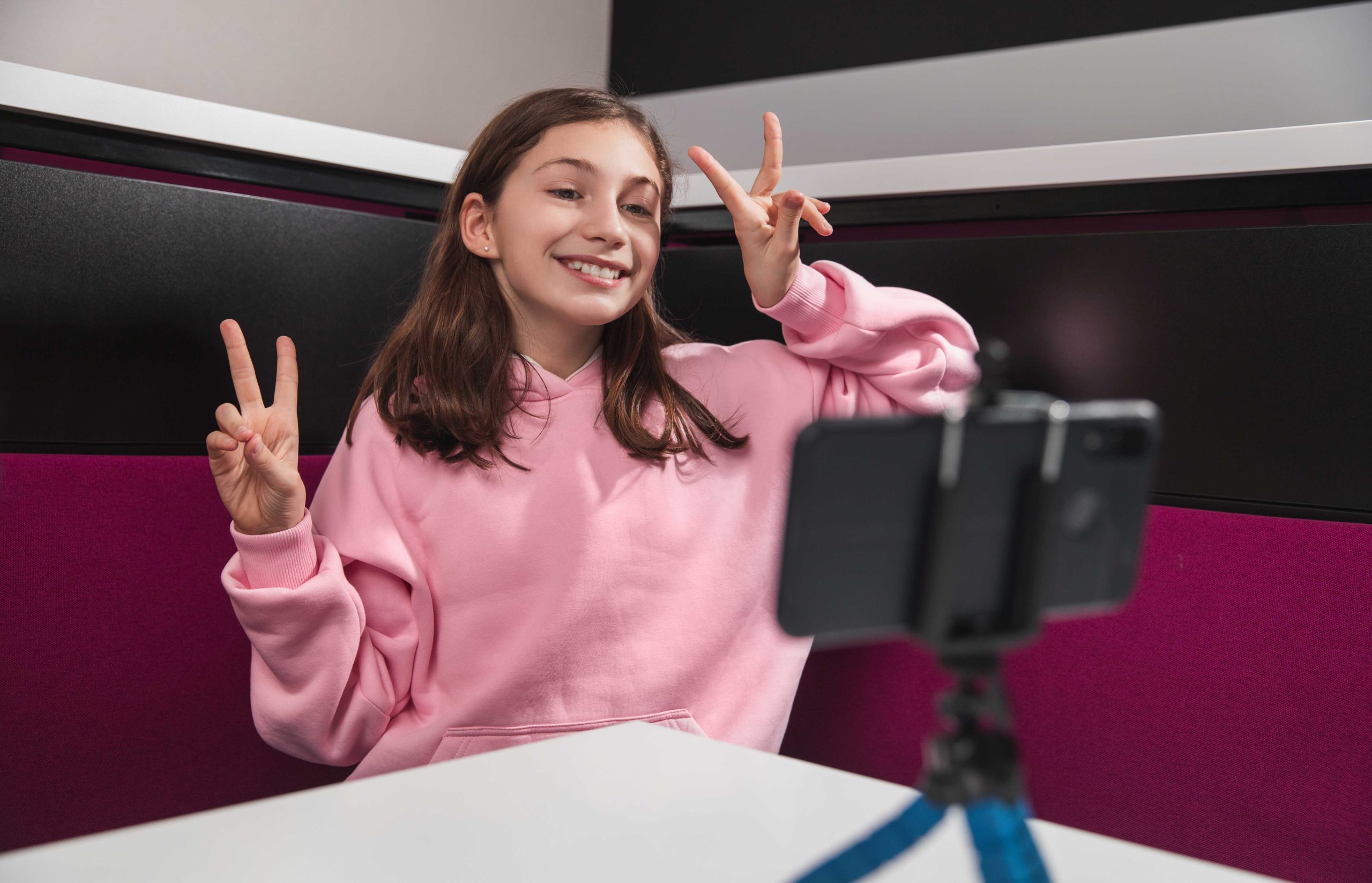
Overnight, passive users became micro-creators.
All you needed was a ring light and something to say. Or chew.
Everyone’s performing. No one’s listening.
Suddenly, every moment is content:
- Brushing your teeth? Film it.
- Ordering coffee? Make it a trend.
- Driving your car? Add a filter and a voiceover.
Now we’ve got teenagers giving life advice,
twenty-somethings selling “success formulas,”
middle-aged men lip-syncing their way into your algorithm.
The word “influencer” became a job title.
And “content” stopped meaning anything at all.
Because this isn’t about communication anymore – It’s about visibility.
It’s not about value – It’s about volume.
And the result?
An internet flooded with noise.
Where 99% is garbage and the 1% that matters is buried alive.
Even the grown-ups joined in.
Politicians, corporations, news outlets—all optimizing for likes, not logic.
Virality replaced credibility.
Performance replaced policy.
The internet isn’t about connecting anymore. It’s a dopamine slot machine.
And the house always wins.
The internet lost it’s mind.
Your business doesn’t have to.